Innovation in Action 🚀

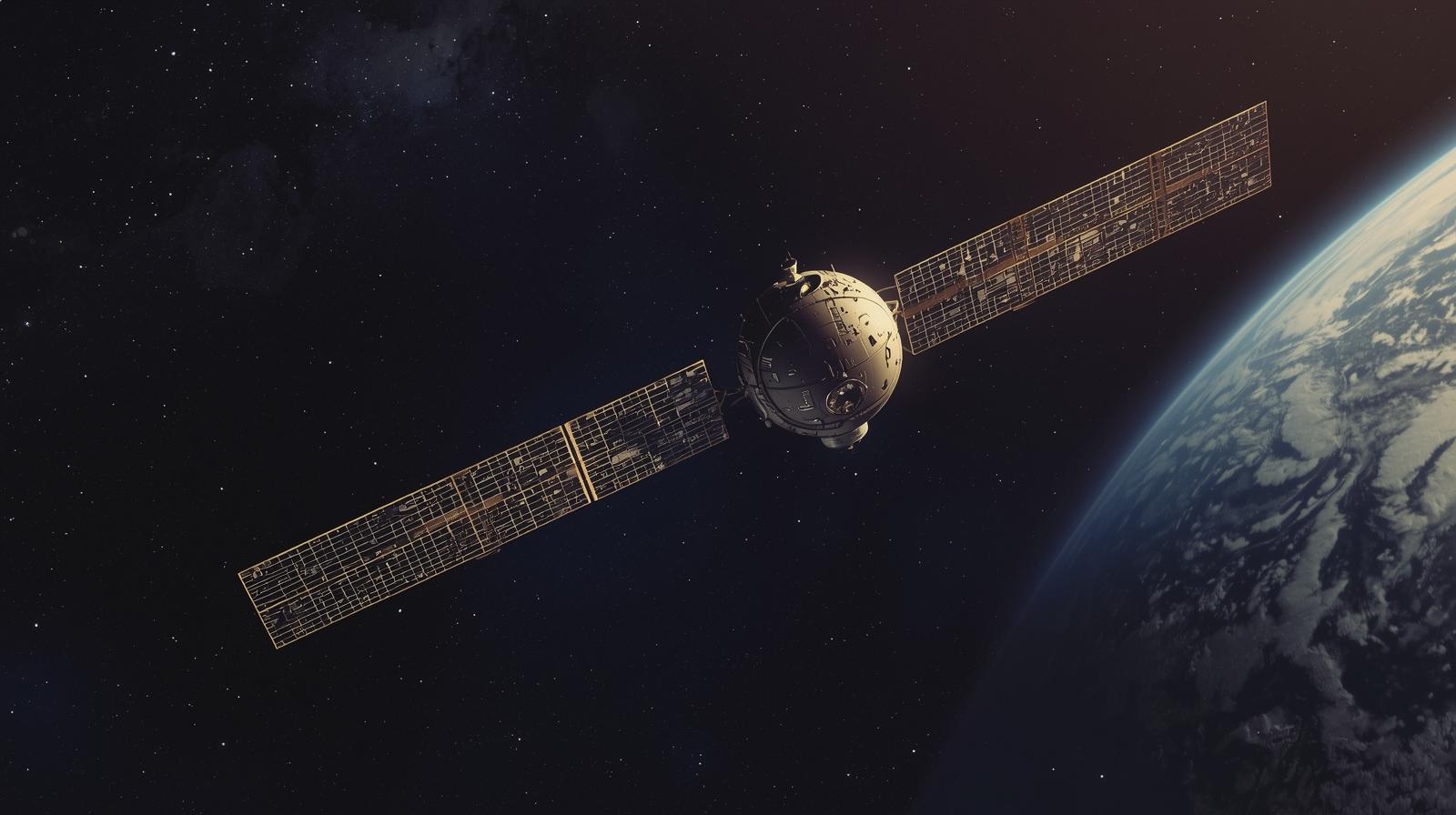
On January 31, 1958, the United States successfully launched its first artificial satellite, called Explorer 1, officially marking the country’s entry into space exploration. (NASA JPL)
Key Details of the Launch:
- Explorer 1 was launched from Cape Canaveral, Florida, aboard a Juno I rocket, a modified Redstone missile.
- It was the first U.S. satellite to reach orbit and follow a stable trajectory, shortly after the Soviet Union’s Sputnik.
- The satellite carried scientific instruments, including a cosmic ray detector designed by physicist Dr. James Van Allen.
Scientific Discovery:
Data from Explorer 1 revealed an unexpectedly low cosmic ray count. Dr. Van Allen interpreted this as caused by charged particles trapped by Earth’s magnetic field, leading to the discovery of what are now called the Van Allen radiation belts—two “rings” of energetic particles surrounding the planet.
This discovery became one of the first scientific successes of the U.S. space program and a foundational step in understanding Earth’s magnetosphere and near-Earth space environment.